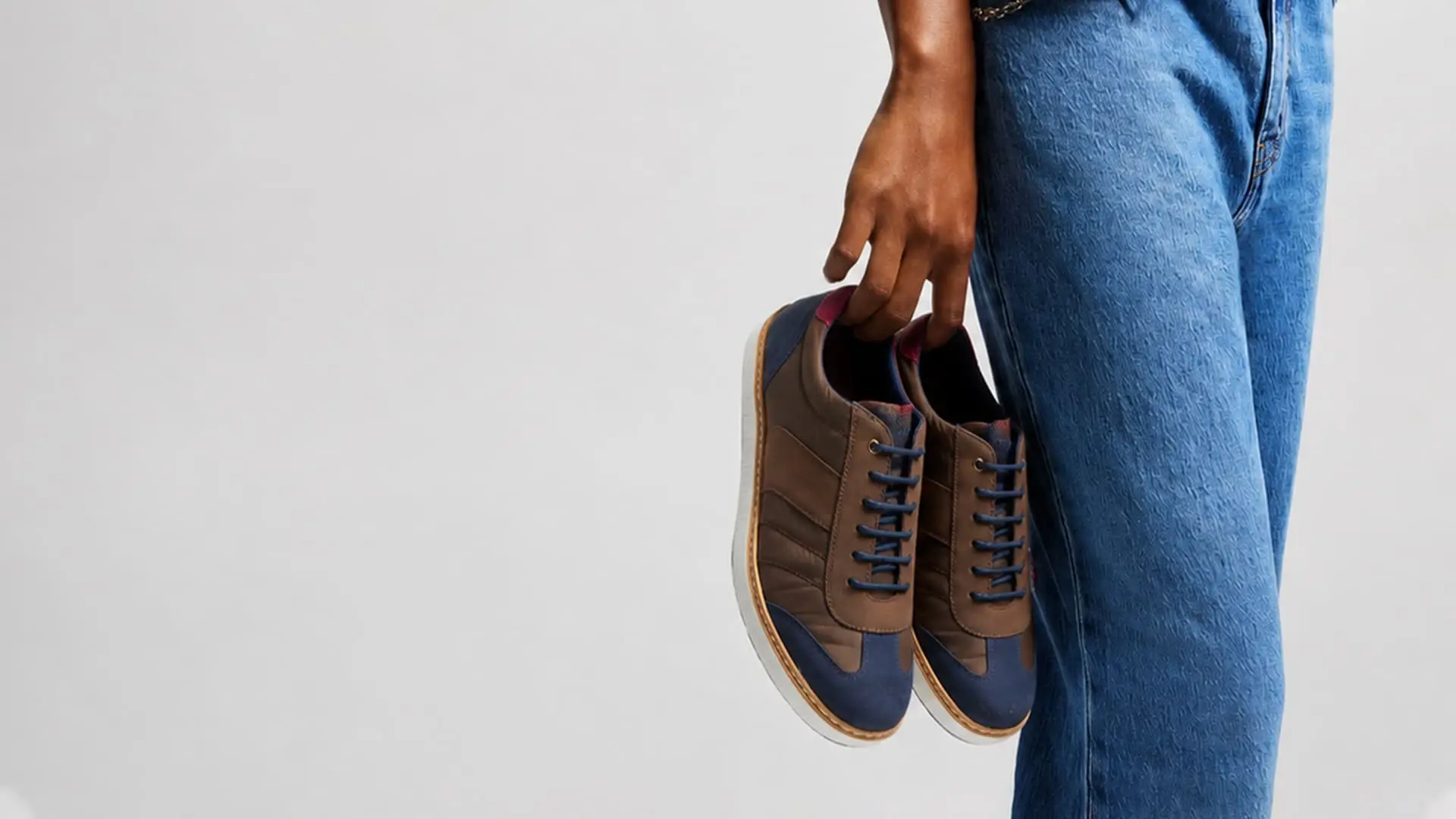
The Tiny Shoe Details That Make a Big Difference
At first glance, a pair of shoes may win you over with its color, shape, or overall style. Look closer, however, and the smallest features begin telling the real story. A curved toe can change an outfit’s mood. A flexible sole can influence every step. Stitching, lining, straps, edges, and closures may seem minor, yet they decide how often a pair leaves your closet. These details separate shoes that merely look appealing from shoes that truly work with your wardrobe and routine. Learning to notice them makes shopping more intentional, styling more rewarding, and every future shoe choice far easier.
Small Features Shape the Entire Experience
Shoe shopping often begins with an emotional reaction. You notice a striking silhouette or a shade that works with your wardrobe, and you immediately imagine the outfits it could complete. That initial spark matters, but the features you notice later usually determine whether the relationship lasts.
A seam in the wrong place can create friction. A strap positioned slightly higher can change how secure the shoe feels. A sole that appears nearly identical to another may move very differently on the street. Even the finish around an edge can influence how polished the pair looks after repeated wear.
These are not decorative afterthoughts. They shape fit, movement, versatility, and visual impact. Once you begin looking beyond the broad design, you can compare pairs more thoughtfully and choose footwear that offers more than shelf appeal.
Toe Shape Changes More Than Appearance
Round, square, almond, and pointed toes each create a different visual message. Rounded shapes often feel relaxed and approachable. Square toes can add structure and a modern edge. Almond shapes offer a gentle middle ground, while pointed toes introduce sharpness and visual length.
Toe shape also changes how shoes interact with clothing. A pointed pair can echo tailored trousers or sharpen a flowing dress. A rounded style may soften straight lines and structured fabrics. Square toes can balance wider hems or create contrast beneath delicate pieces.
There is also the question of space. The external shape does not always reveal the internal fit, so consider how your toes sit once the shoe is on. A beautiful outline offers limited value if the front feels restrictive. Notice whether the shape supports both your styling goals and natural movement.
Straps Determine Security and Style
Straps may be narrow, wide, crossed, adjustable, decorative, or nearly hidden. Their position affects both appearance and stability. A well-placed strap can help the foot feel supported, while an awkward one may slip, rub, or visually divide the leg in an unhelpful place.
Ankle straps attract attention to the ankle and can give heels or flats a defined finish. Slingbacks leave more of the foot visible while offering support at the back. Crossed straps add movement and detail, whereas broad bands create a stronger visual anchor.
Adjustability deserves attention. Buckles, elastic sections, and multiple fastening points allow a closer fit across different situations. Feet can feel different after hours of movement or during warmer weather. A small amount of flexibility can determine whether the pair remains enjoyable from the first outing to the last.
The Sole Influences Every Step
Soles are easy to overlook because much of their surface faces the ground. Yet thickness, flexibility, texture, and shape affect the way a shoe moves, feels, and appears. A slim sole creates a lighter profile, while a thicker one adds height and visual weight.
Flex the shoe gently at the forefoot. Some movement can help the pair follow your stride, although different designs require different levels of structure. Examine the underside as well. Smooth surfaces may behave differently from patterned or textured ones across polished floors, pavements, and changing weather.
The edge of the sole matters visually. A contrasting rim can frame the upper, while a matching edge creates continuity. Platforms, ridges, and layered soles can turn a simple shoe into a statement. This hidden-looking component often carries more design influence than shoppers expect.
Lining Can Decide How Often You Wear Them
The inside of a shoe rarely appears in an outfit photo, but it remains in constant contact with your foot. Lining texture, seam placement, padding, and breathability can influence whether a pair becomes a regular choice or stays behind after one outing.
Run your fingers along the interior. Notice raised joins, firm edges, or rough patches. Then try both shoes and walk for several minutes when possible. Feet are not always identical, and a feature that feels unremarkable on one side may feel different on the other.
Padding should support rather than disguise a poor fit. A soft footbed can make standing and walking more pleasant, but it cannot correct a shape that conflicts with your foot. Think of interior details as part of the design, not invisible extras. Their impact becomes clear through repeated wear.
Closures Change Convenience and Fit
Laces, zippers, buckles, elastic panels, and slip-on constructions each create a different experience. A closure is not simply how the shoe gets onto your foot. It controls adjustability, security, speed, and sometimes the entire visual identity of the pair.
Laces allow small fit changes across several points. Buckles provide defined adjustment and decorative interest. Zippers can make boots or fitted shoes easier to put on, while elastic panels accommodate movement without adding a visible fastening. Slip-on designs offer simplicity but depend heavily on accurate shape and proportion.
Think about your routine. If you regularly remove shoes throughout the day, a complicated fastening may become frustrating. If you walk for long periods, adjustability may deserve greater priority. The right closure makes the shoe feel naturally suited to your habits.
Edges and Finishes Refine the Look
Small finishing choices can move shoes from casual to polished or from quiet to expressive. Piping around an opening adds definition. Raw-looking edges create a relaxed impression. Glossy finishes reflect light, while matte surfaces absorb it and appear softer.
Hardware also changes the visual temperature. Silver-toned details can feel crisp, while warmer metallic shades complement earthy palettes. Oversized buckles become focal points; tiny studs or eyelets provide texture without dominating the design. Even the color of a zipper can either blend with the upper or deliberately stand apart.
When styling, repeat these finishes selectively. A small accessory that relates to the shoe hardware can connect the outfit without making everything identical. Thoughtful repetition makes subtle details look deliberate and gives familiar clothing a more cohesive finish.
Turn Detail Awareness Into Smarter Shopping
Before purchasing, move beyond the first impression. View the shoe from the front, side, back, and above. Examine the opening, toe shape, seams, sole, heel, lining, and fastening. Then walk and notice what changes when the shoe is in motion.
Ask whether each noticeable feature serves your routine or merely attracts attention. Can the straps adjust? Does the sole suit the surfaces you encounter? Will the shape work with several outfits you already own? Does the finish support the mood you want to create?
This process does not make shopping less exciting. It directs excitement toward pairs that deserve repeated wear. When appearance, movement, and wardrobe compatibility meet, a purchase becomes easier to style and more satisfying to reach for.
Let the Small Details Guide Your Next Pair
The difference between shoes you admire and shoes you repeatedly choose often lives in features that seemed insignificant at first. A supportive strap, flexible sole, smooth lining, balanced heel, or thoughtfully shaped opening can change the entire experience.
Learning to notice these elements gives you a clearer way to compare options. Instead of responding only to color or trend, you begin recognizing why one pair works better with your clothes, plans, and movement. That awareness reduces guesswork and brings greater intention to every choice.
When exploring your next pair, slow down and look closer. Notice what frames the foot, supports the step, connects with your outfits, and adds personality without unnecessary noise. Tiny details rarely stay tiny once the shoes become part of your day. Choose the features that work for your world, and let them make a meaningful difference every time you get dressed. Compare pairs from every angle, test them with real movement, and imagine them beside familiar clothes. The few extra minutes you spend noticing construction, proportion, and finish can reveal which design deserves a truly meaningful, lasting place in your regular rotation.