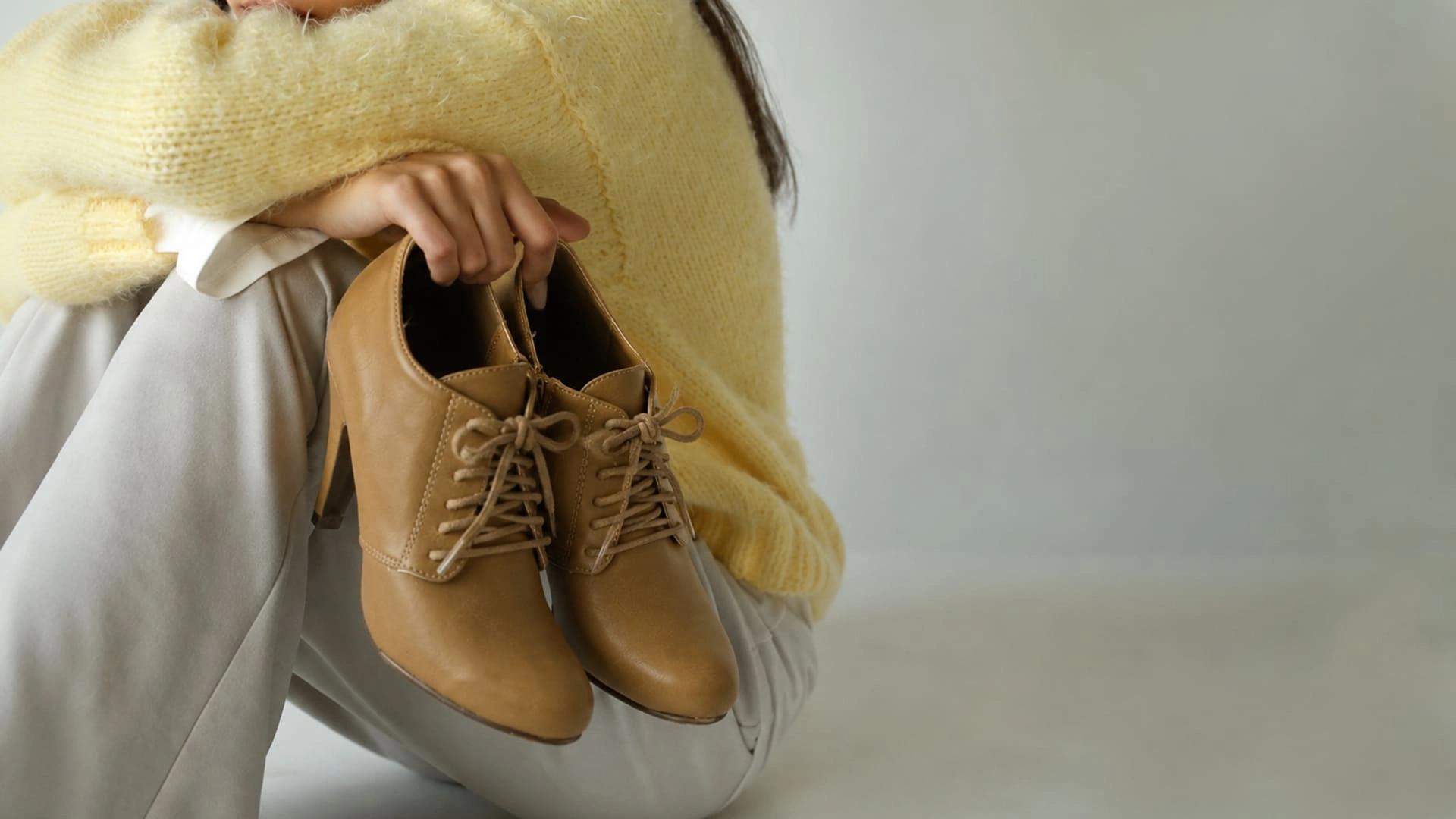
The Real Reason Your Shoe Collection Feels Incomplete
You open your shoe closet, scan every shelf, and somehow conclude that you have nothing to wear. There are sneakers for errands, heels for evenings, sandals for sunshine, and boots waiting for cooler days. Yet when an outfit needs its finishing touch, none of them seems right. The problem is rarely the number of pairs you own. It is the roles those pairs play, the outfits they support, and the moments they were chosen for. A satisfying shoe collection is not built through endless additions. It grows through smarter choices that connect your wardrobe, routine, personality, and plans with purpose.
Your Closet Has Shoes, but Does It Have Solutions?
A collection can look full while offering surprisingly few options. Perhaps several pairs serve the same purpose, match the same outfits, or suit the same type of occasion. Five similar sneakers may provide variety on the shelf, but they still leave a gap when you need something polished for dinner, practical for wet weather, or expressive for a celebration.
Start thinking of shoes as answers rather than objects. Each pair should answer a recurring wardrobe question. What works with relaxed trousers? What completes a flowing dress? What can move from a daytime appointment to an evening meal? When every purchase solves a distinct problem, your closet begins working as a connected system.
Repetition Can Disguise the Real Gaps
Personal style naturally creates repetition. If you enjoy sleek shapes, soft neutrals, or chunky soles, you will notice them again and again while shopping. Repetition is not necessarily a mistake. It becomes limiting when visual preference replaces practical purpose.
Look closely at your current pairs. Group them by function rather than color or style. You might discover that your collection contains numerous casual options but only one occasion pair. Perhaps every shoe looks attractive with jeans, yet very few complement skirts, tailored pieces, or wide-leg pants. Maybe you own several dramatic designs but lack a simple pair for busy mornings.
This exercise turns a vague sense of dissatisfaction into a useful shopping direction. Instead of saying, “I need new shoes,” you can say, “I need a versatile closed-toe pair that works with work-wear and evening outfits.” Specific needs create more thoughtful choices and reduce the chance of buying another near-duplicate.
Your Lifestyle May Have Changed Before Your Closet Did
Shoe collections often reflect an earlier version of daily life. Your schedule, workplace, social plans, commute, climate, or clothing preferences may have shifted, while your shelves still serve old routines. Shoes that once earned frequent outings may now remain untouched, even if you still like their appearance.
A collection feels complete when it supports the life you actually live. This doesn’t mean removing every aspirational or sentimental pair. It means giving everyday reality a stronger voice in future purchases. When your shoes align with your routine, getting dressed becomes faster, easier, and more enjoyable.
The Missing Link Is Often Outfit Compatibility
A beautiful shoe can still become a close spectator. Sometimes the issue is not comfort, quality, or occasion. It is compatibility. The color may fight with your wardrobe palette. The proportions may feel awkward with your preferred hemlines. The shape may suit clothes you admire but rarely wear.
Before choosing a new pair, picture at least three complete outfits from your existing wardrobe. Avoid imagining vague possibilities or clothes you plan to buy later. Name the actual trousers, dresses, skirts, or layers that will accompany the shoes. If three convincing combinations appear quickly, the pair has a meaningful place in your rotation.
Pay attention to proportion as well. Delicate shoes can create an appealing contrast with wider silhouettes, while substantial soles may balance heavier fabrics or relaxed cuts. Ankle height, toe, shape, heel structure, and visual weight all influence how an outfit comes together. The right connection can make familiar clothing feel newly relevant.
Comfort Is Part of Style, Not Separate From It
Shoes cannot complete a wardrobe if you continually avoid wearing them. A pair may look impressive beside an outfit, but pinching, slipping, stiffness, or unstable movement can send it back to the shelf. Wearability determines whether design becomes part of your personal style or remains decoration.
Think about how a shoe will behave during the entire outing, not only during the last few minutes. Consider walking distance, standing time, surfaces, weather, and transitions. Look at closure types, toe room, heel position, flexibility, lining, and sole grip. These practical elements shape confidence because they affect how naturally you move.
The goal is not choose plain footwear or avoid expressive shapes. It is to find designs that support both appearance and experience. When you can move comfortably, you are more likely to repeat the shoes, style them creatively, and view the valuable part of your closet.
A Complete Collection Needs Contrast
Consistency gives your wardrobe an unique identity, but contrast makes it interesting. If every pair is quiet, your outfits may sometimes need a focal point. If every pair demands attention, you may struggle to create balanced everyday looks. Completion comes from having enough range to choose the mood you want.
Contrast can appear through color, texture, shape, or detail. A vivid shoe can energize neutral clothing. A streamlined loafer can calm a patterned outfit. A textured flat can add dimension without overwhelming the rest of the look. A sculptural heel can shift a simple dress toward evening.
Build Around Roles, Not Arbitrary Numbers
There is no universal number that makes a shoe collection complete. Someone with a compact routine may rely on a small rotation, while another person needs options across work, travel, events, exercise, changing seasons. Counting pairs tells you how much you own, not how well your collection performs.
Create a role-based list instead. Your version might include an everyday walking shoe, a polished flat, a dressier option, a weather-ready pair, an easy warm-season design and one expressive statement pair. Adapt those roles around your habits. If you never wear heels, they don’t belong on your essential list. If sneakers accompany nearly every outfit, different shapes may earn their space.
Once the primary roles are filled, additions can focus on creativity rather than urgency. You can explore unexpected colors, fresh materials, or playful details because your foundational needs are already covered. Shopping becomes less reactive and more personally rewarding.
Use the Wear Test Before Adding Another Pair
Every potential purchase should pass a simple wear test. First, you can style it with three outfits you already own? Second, does it suit at least two settings in your routine? Third, does it add a role, mood, or silhouette that your collection currently lacks? Finally, can you imagine reaching for it without needing to convince yourself?
These questions don’t remove spontaneity from shopping. They give excitement a practical foundation. A distinctive pair can pass the test just as easily as a classic one when it connects with your wardrobe and feels true to your personality.
Also consider, the “tomorrow test.” If the shoes arrived tonight, would you want to wear them tomorrow? Immediate styling often signal a natural match. If the pair requires an overly new outfit, a rare event, or different lifestyle, it may create another gap instead of filling one.
Make Every New Pair Earn Its Place
The feeling of an incomplete shoe collection is not an invitation to fill every shelf. It is a prompt to understand what your wardrobe is asking for. Audit repeated functions, identify missing roles, and notice which pairs support your present life. Then shop with a clear purpose while leaving room for personality.
The next pair should connect pieces you already own, open new outfit possibilities, and suit moments you really encounter. It might be a versatile neutral, an energetic color, a practical everyday shape, or a statement design that finally gives simple outfits a voice.
Your collection becomes complete when choosing shoes no longer feels searching through clutter for an answer. Each pair has a reason to be there, and each one helps you step into the day with greater ease and expression. Explore your next pair with intention, and choose the missing connection your wardrobe has been waiting to make. Choose with curiosity, assess with honesty, and let every addition bring possibilities to the clothes and occasions already shaping your days.