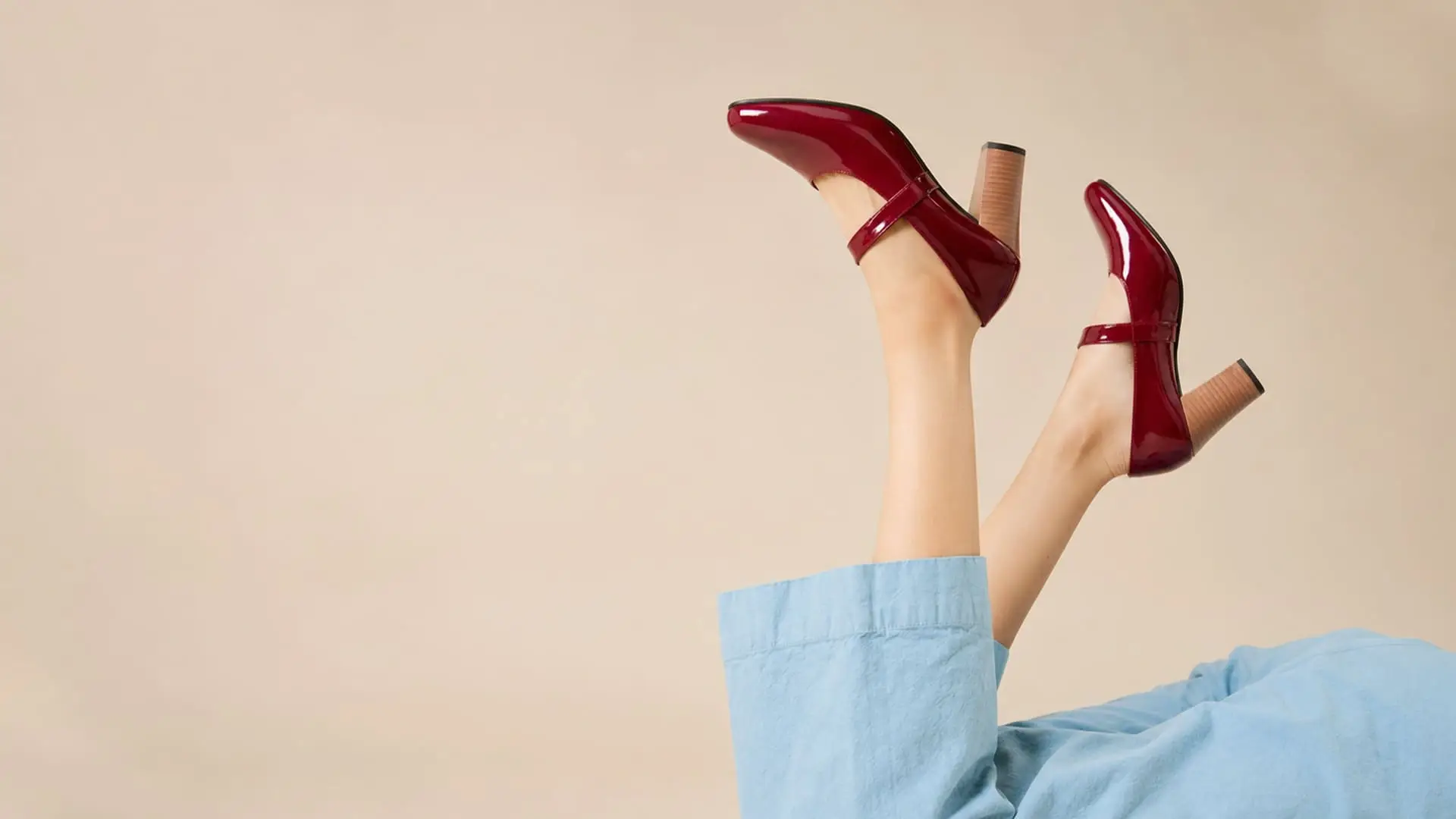
Match or Contrast? The Great Shoe Styling Debate
You have built the outfit, adjusted every layer, and reached the final decision: should your shoes blend in or break the pattern? Matching feels polished, intentional, and easy to understand. Contrast feels expressive, unexpected, and full of personality. Both can transform the same clothes, yet choosing between them often creates more hesitation than the outfit itself. The secret is not memorizing rigid styling rules or following every passing trend. It is understanding what you want your shoes to do. Should they support the look quietly or become its defining moment? Your answer can turn ordinary dressing into confident personal expression.
Why This Styling Question Matters
Shoes sit at the visual edge of an outfit, but their influence reaches more further. They can repeat a color, continue a silhouette, interrupt a predictable combination, or redirect attention. Change only the shoes, and the same clothing can suddenly appear relaxed, refined, playful, dramatic, or ready for an entirely different setting.
That is why the match-or-contrast question deserves more than a quick glance in the mirror. It shapes the rhythm of an outfit. Matching creates continuity, while contrast introduces energy. Neither approach wins every time. The stronger choice depends on the clothes, the occasion, your desired mood, and the role you want footwear to play.
Once you understand that role, styling becomes less about avoiding mistakes and more about making deliberate decisions. You stop asking whether shoes are simply “right” and begin asking what they contribute.
What Does Matching Shoes Really Mean?
Matching does not require your shoes to copy the exact shade of your dress, trousers, or accessories. A successful match can come from repeating a color family, echoing a texture, supporting the same level of formality, or continuing the overall visual mood.
For example, warm brown shoes can connect naturally with cream, rust, beige, or earthy prints. Sleek black footwear can reinforce a sharp monochrome outfit. Soft-toned flats can maintain the gentle character of flowing fabrics and muted colors. The relationship feels connected even when every element is not identical.
Matching works because repetition helps the eye travel smoothly. It can make an outfit feel composed without demanding much visual explanation. This approach is especially useful when your clothing already contains strong details, layered textures, or a busy pattern. Quietly connected footwear gives those features room to breathe.
When Matching Creates a Stronger Look
Matching is a valuable choice when you want length, flow, or understated polish. Shoes close to the color of your trousers can extend the visual line of the leg. Footwear that relates to a dress can create an uninterrupted silhouette. Repeating a small color from a print can make the entire outfit feel thoughtfully connected.
It also helps when dressing for settings where subtlety feels appropriate. A coordinated palette can communicate focus and composure without making footwear disappear completely. Texture, shape, hardware, and heel height can still give the shoes character.
The common mistake is matching too literally. Shoes, bag, belt, and clothing don’t need to share one exact color. Excessive repetition may flatten the look and remove the personality that makes it yours. Aim for a visual conversation rather than a uniform. Related tones usually feel more natural than identical ones.
What Makes Contrast So Compelling?
Contrast occurs when shoes intentionally differ from the outfit through color, form, texture, weight, or mood. Bright footwear beneath neutral clothing is an obvious example, but contrast can be quieter. Delicate flats with relaxed tailoring, sturdy boots with a flowing skirt, or sneakers with a structured outfit can all create an engaging shift.
The appeal comes from surprise. Contrast invites the eye to pause because something breaks the expected pattern. It can refresh clothing you have worn many times and give a simple combination a clearer point of view.
Contrasting footwear also lets personality enter practical wardrobes. If your daily clothes favor neutral colors and straightforward shapes, shoes can become the place where you explore an unusual shade, finish, print, or silhouette. One distinct pair may produce numerous new outfit combinations without requiring a complete wardrobe change.
When Contrast Works With Confidence
Contrast is especially effective when the rest of the outfit provides a calm foundation. A vivid shoe gains impact beneath black, white, denim, or soft neutral clothing. An unexpected texture becomes easier to appreciate when it is not competing with several other statement elements.
You can also use contrast to change the mood of familiar pieces. Add sneakers to tailored trousers for a relaxed result. Pair an airy dress with substantial boots to introduce strength. Place a refined loafer beneath casual denim to sharpen the overall impression. These combinations work because the difference looks deliberate.
Successful contrast still needs a connection. The shoes might relate to a small accessory, share the warmth or coolness of the palette, or suit the proportions of the clothing. Without any connecting thread, the footwear can appear accidental. Contrast should interrupt the outfit without abandoning it.
Let the Outfit Choose Its Focal Point
Every memorable outfit needs visual hierarchy. Something should attract attention first, while other elements provide support. If your clothing features a bold print, dramatic cut, or unusual texture, matching shoes may preserve balance. If the outfit is simple, contrasting footwear can supply the missing spark.
Before selecting shoes, ask what deserves the first glance. If the answer is the jacket, dress, or accessories, choose footwear that supports that feature. If the clothes create a quiet canvas, allow the shoes to claim more attention.
This approach prevents different statement pieces from competing. It also makes shopping more purposeful. You can identify whether your wardrobe needs versatile supporting pairs or expressive options that create a focal point. Each new purchase then fills a distinct styling role rather than repeating what you already own.
Try the Three-Second Mirror Test
When uncertainty remains, step back and look at the complete outfit for three seconds. Notice where your eye lands first. Does that point feel intentional? Do the shoes complete the story, or do they seem borrowed from another outfit? Your first visual response often reveals more than prolonged overthinking.
Next, take a photo. A photograph flattens the outfit and makes color relationships, proportions, and competing details easier to notice. Compare one matching option with one contrasting option. You may find that both work but communicate different moods.
Choose according to the message you want that day. Matching might feel refined and effortless. Contrast might feel lively and individual. The useful question is not which option follows a universal rule. It is which version feels more aligned with your plans and personality.
Build a Shoe Collection That Supports Both
A versatile collection should not force you to choose one styling philosophy forever. Supporting shoes and statement shoes perform different jobs, and both can earn regular wear. Neutral pairs create continuity across numerous outfits. Distinct colors, textures, and shapes provide contrast when familiar clothing needs renewed energy.
Before buying, consider which side of your collection needs attention. If every pair blends quietly, an expressive addition could expand your styling range. If your shelves contain numerous dramatic designs, a streamlined option may connect more of your wardrobe.
Picture three existing outfits with the pair. Imagine one coordinated combination and one contrasting combination. Shoes that succeed in both directions can become especially useful because they adapt as your mood changes.
End the Debate With Your Own Style
Matching and contrast are not opposing rules. They are creative tools. Matching creates flow, reinforces mood, and allows other details to stand forward. Contrast adds tension, personality, and a fresh perspective to familiar clothing. The strongest wardrobes make space for both.
The next time an outfit feels unfinished, do not automatically search for shoes in the same shade. Decide what the look needs. It may need connection, or it may need disruption. It may ask for a quiet finish, or it may come alive through an unexpected pair.
Experiment with both approaches, notice which combinations earn repeated wear, and let those discoveries guide your next choice. The winning side of the styling debate is not match or contrast. It is intention. Explore footwear that gives you both possibilities, and turn every outfit into a clearer expression of how you want to step into the day. Let curiosity shape the experiment, and allow each combination to reveal another side of your personal style.