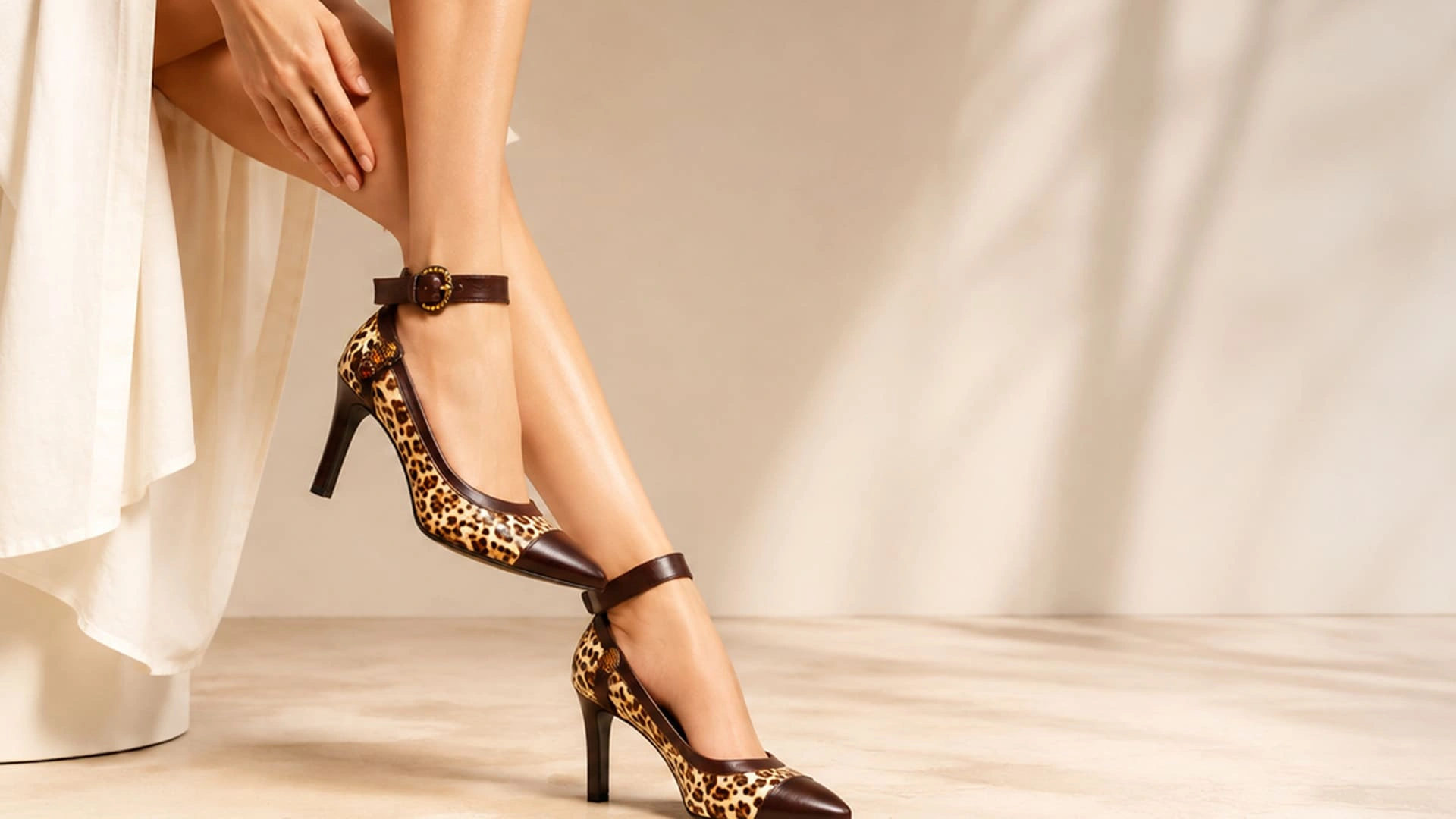
Are Your Shoes Outdated? 9 Signs It’s Time for a Style Refresh
You know that moment when your outfit looks nearly ideal, yet something feels off? The shirt works, the trousers sit beautifully, the accessories feel intentional, but the mirror still refuses to give you that satisfying “yes.” Look down. Your shoes may be quietly holding the entire look back. Footwear has an incredible way of revealing whether a wardrobe feels current, considered, and confident or stuck in another chapter. The good news? You don’t need to chase every passing trend. You simply need to recognize when familiar favorites have stopped serving your style and when fresh choices could change everything.
Why Shoes Have More Style Power Than You Think
Shoes rarely shout for attention, yet they influence the way an entire outfit is perceived. A simple dress can suddenly feel sharper with sleek footwear. Relaxed denim can become polished with a refined loafer. Even an otherwise thoughtful outfit can lose its impact when the shoes look tired, awkward, or disconnected.
If you have been wondering whether your footwear still reflects your style, these nine signs can help you decide.
1. You Keep Reaching for the Same Pair
Everyone has that dependable pair. It works with jeans, dresses, work-wear, weekend outfits, and practically every last-minute plan. Familiarity feels convenient, but wearing one pair repeatedly can make your outfits feel predictable.
Think about the last few times you got dressed. Did you automatically reach for the same shoes without considering another option? If so, your collection may no longer be giving you enough inspiration.
Refreshing your rotation doesn’t mean abandoning a favorite. Instead, introduce another silhouette that creates a different mood. Swap familiar sneakers for streamlined loafers, try a modern flat, or explore a fresh heel shape. One new direction can make clothes you already own feel surprisingly different.
2. Your Shoes Belong to a Style Era You Left Behind
Sometimes shoes are more than footwear, they are little time capsules. You bought them during a particular phase, loved them endlessly, and somehow they remained in your wardrobe long after your personal style has changed.
Perhaps your clothing now leans minimal, but your shoes are heavily embellished. Maybe your wardrobe has become relaxed and modern while your footwear still feels overly formal. Neither style is inherently wrong. The issue is whether the pieces still tell the same story.
Your wardrobe should feel like a conversation, not several people speaking at once. When shoes repeatedly clash with the direction of your clothing, it maybe time to choose designs that better represent who you are dressing as today.
3. Getting Dressed Requires Too Much Compromise
Picture this: you find an outfit you love, put it on, then spend ten minutes cycling through shoes. Pair one feels too bulky. Pair two looks dated. Pair three works in color but completely changes the silhouette. Eventually, you settle for something acceptable rather than exciting.
A functional shoe collection should support your wardrobe rather than create obstacles. Look at the clothes you tend to wear regularly and identify the footwear gaps around them. Perhaps you need an understated everyday shoe, a polished pair for smarter occasions, or something playful for outfits that need personality.
4. The Shape Feels Awkward With Current Outfits
Fashion often changes through silhouette before anything else. Trouser widths shift. Hemlines move. Denim becomes straighter, looser, cropped, or longer. As those proportions change, footwear shapes interact with clothing differently.
A shoe that looked balanced beneath an older trouser cut might suddenly feel heavy beneath a flowing pair. A delicate shape may disappear under wider hems. Your shoes have not necessarily become unattractive; the visual relationship has simply changed.
Experiment before replacing anything. Try different trouser lengths, socks, cuffs, or styling combinations. If the proportions consistently feel wrong, consider introducing a silhouette that creates better balance. A small change at ground level can transform the complete outline of your outfit.
5. Visible Wear Is Becoming Part of the Look
There is a difference between shoes that have character and shoes that look exhausted. Scuffed surfaces, permanently misshapen toes, fading, worn-down soles, peeling finishes, and stubborn marks can distract from everything else you are wearing.
We often stop noticing these details because we see our own shoes constantly. Other people encounter the complete outfit at once, making visible wear easier to spot.
Take your frequently worn pairs into natural light and inspect them properly. Some may simply need cleaning, polishing, new laces, or minor repairs. Others may have reached the end of their stylish life.
6. You Own Plenty of Shoes but “Nothing” Works
A crowded shoe rack can create the illusion of variety. Yet quantity means very little when the pairs do not match your actual lifestyle.
Maybe you own several occasion heels but spend your week in casual settings. Perhaps your collection is full of statement designs, while your everyday wardrobe needs versatile foundations. This disconnect often results to the familiar complaint: “I have nothing to wear.”
7. Your Color Choices Feel Stuck on Repeat
Black, brown, beige, and white are popular for good reason. They are adaptable and easy to style. But when every pair lives within the same narrow palette, your outfits can start feeling overly safe.
Color does not have to mean neon or dramatic contrast. Deep burgundy, muted green, soft metallics, warm tan, dusty blue, or rich chocolate can bring dimension while remaining wearable.
Start by examining your wardrobe palette. Which shade appears repeatedly in your clothes but never in your footwear? That could be your opportunity.
8. You Avoid Certain Outfits Because of Your Shoes
This sign often goes unnoticed. You may own trousers you adore, a dress that fits beautifully, or a skirt you want to wear more often, yet these pieces rarely leave the wardrobe because you never have the right shoes.
When footwear limits what you can wear, it is no longer completing your wardrobe; it is restricting it.
This is where strategic shopping becomes powerful. Rather than buying shoes because they look appealing on a shelf, choose pairs that solve real styling problems. You are not simply adding footwear; you are expanding the possibilities already hanging in your wardrobe.
9. Your Shoes No Longer Make You Feel Like You
Style is personal, and this final sign matters more than any trend forecast. Sometimes there is nothing visibly wrong with a pair of shoes. They fit. They are clean. They work with your clothes. Yet you put them on and feel absolutely nothing.
What once felt exciting may now feel ordinary. What once represented you may no longer match the image you want to present. That evolution is natural. Personal style becomes stronger when you allow it to change instead of staying loyal to choices that no longer spark confidence.
Pay attention to the shoes that make you stand taller, walk differently, or feel more put together. Those reactions can guide your next chapter.
How to Refresh Your Shoe Collection Without Overdoing It
Once you recognize the signs, resist the urge to replace everything overnight. A stronger wardrobe is built through deliberate choices, not a frantic shopping spree.
Begin by separating your shoes into three groups: pairs you regularly wear, pairs worth restoring, and pairs that no longer suit your wardrobe. Then look for patterns. Are you missing versatile everyday options? Do you need more interesting color? Are your smarter shoes disconnected from your current clothing?
From there, create a short list based on actual wardrobe needs. Prioritize versatility, fit, comfort, material, silhouette, and styling potential. Before buying, imagine at least three outfits you already own that could work with the pair. If you struggle to name them, keep looking.
Your Next Style Chapter Starts From the Ground Up
An outdated shoe collection doesn’t mean you have lost your sense of style. More often, it means your wardrobe has evolved faster than your footwear.
The exciting part is how little it can take to reconnect everything. A cleaner silhouette, an unexpected color, a versatile everyday pair, or a smarter replacement for worn favorites can change the energy of clothes you have worn dozens of times.
Notice what excites you, what frustrates you, and what simply occupies space. Keep the pairs that support the person you are dressing today, restore those worth saving, and release the rest.
Then choose your next pair with purpose. Because sometimes a style transformation doesn’t begin with a new wardrobe. It begins with shoes that tend to carry it forward.